Numbers tell us where we are, how we are doing, and where we are going—but these stories define our mission. See how we turn rigorous data into lasting victories for species, land, and the decisions that protect them.
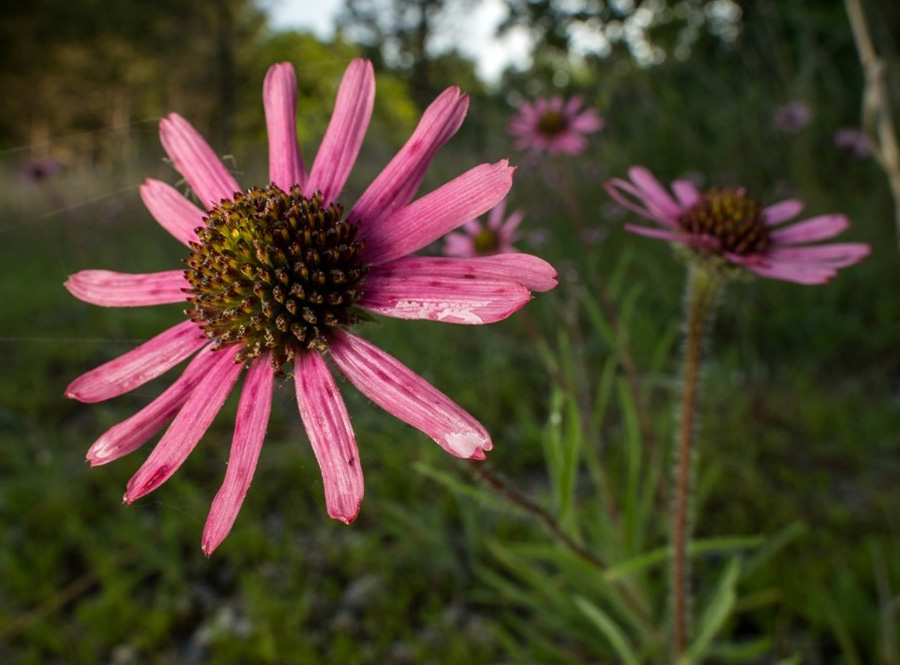
Tennessee Coneflower Recovery
Once believed to be extinct, the Tennessee coneflower became a landmark conservation success after its rediscovery and listing as the first federally protected plant in Tennessee. NatureServe’s data and conservation methodology provided the scientific backbone for decades of monitoring, habitat protection, and site-level management within the species’ single-watershed range. By translating species data into clear guidance for land managers and partners, NatureServe helped ensure that conservation actions—such as targeted habitat protection and prescribed fire—were grounded in evidence. Today, the coneflower’s recovery demonstrates how sustained investment in shared biodiversity data can turn rediscovery into long-term resilience, benefiting both nature and the communities that enjoy these protected landscapes.
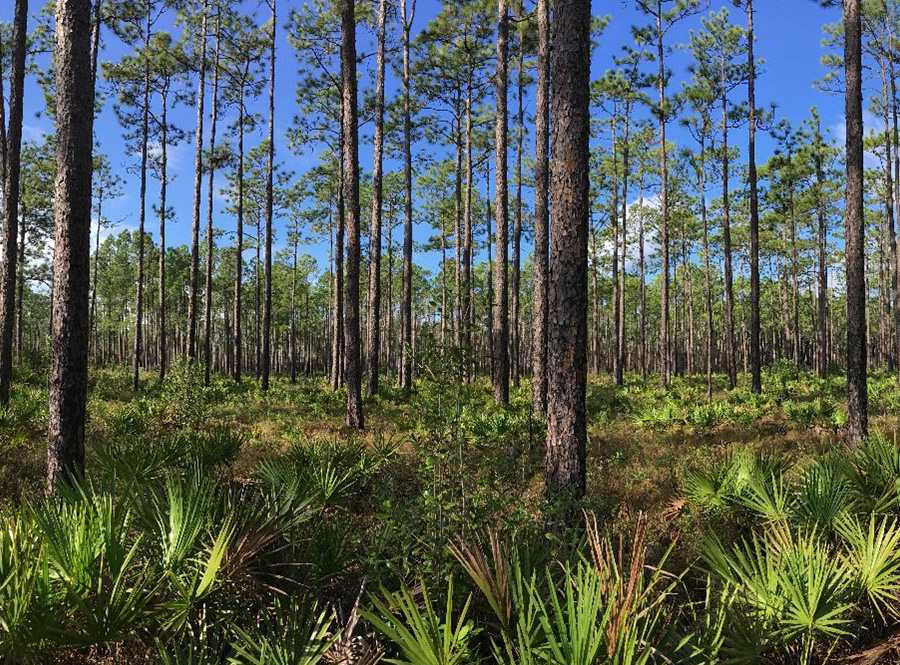
Turning Data Into Action for Forest Biodiversity
In partnership with Weyerhaeuser and the Sustainable Forestry Initiative®, NatureServe piloted a new biodiversity assessment approach designed to integrate conservation priorities into working forest landscapes. Drawing on NatureServe’s standardized data, the project identified priority “Unique Landscape Features” and synthesized information on imperiled species and rare ecosystems into actionable guidance for forest managers and procurement teams. This approach moved biodiversity from abstract risk to practical decision support, enabling partners to focus effort where it would have the greatest impact. By demonstrating how high-quality data can drive efficient, real-world action, the pilot is laying the groundwork for broader adoption across certified forest supply areas.
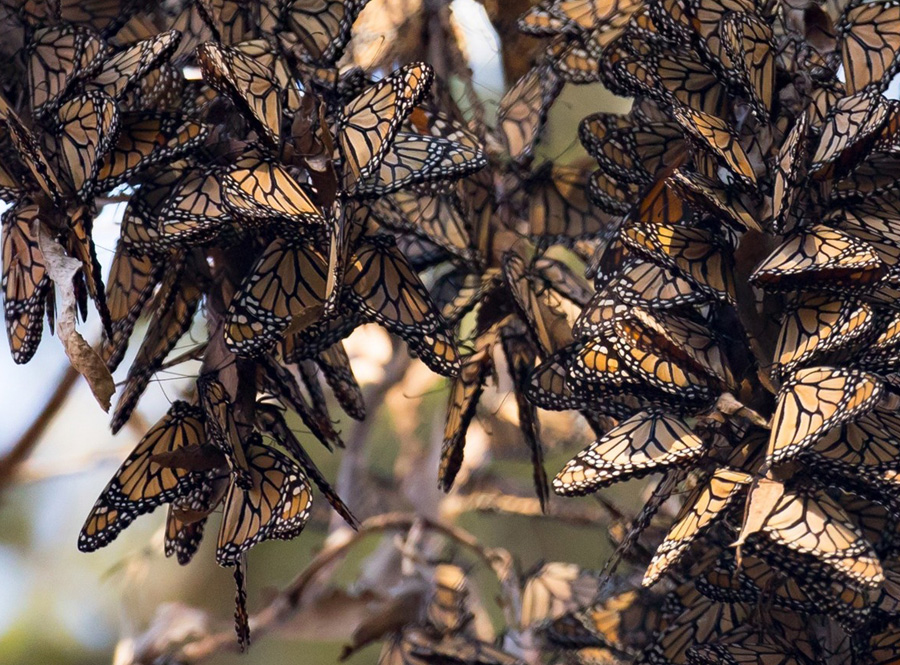
Mapping Monarch Migration
Through NatureServe-supported pollinator assessments and migration modeling, new insights into Western monarch movements have clarified when and where conservation action is most critical. Using NatureServe’s species data and spatial analysis, the work revealed that a majority of key spring and fall migration habitat occurs on private land. This evidence equipped the Bureau of Land Management to move beyond broad strategies toward targeted public–private partnerships with local landowners. By connecting monarch biology to real landscapes and decision points, NatureServe’s data is helping partners take coordinated action to reduce extinction risk for this iconic species.
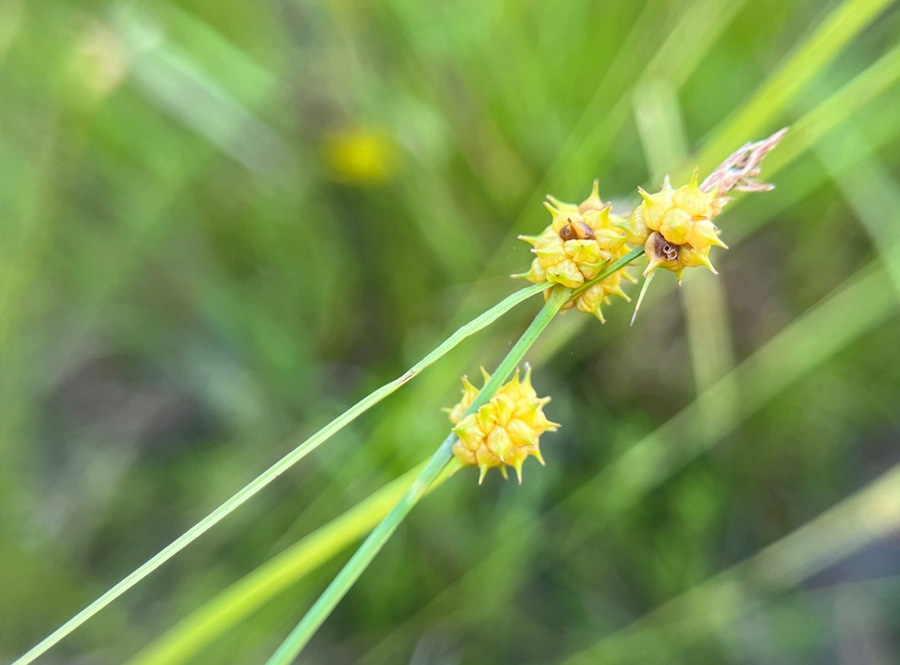
Golden Sedge Moves One Step Closer to De-listing
Golden sedge was once thought to exist only within a small area of North Carolina, leaving it highly vulnerable and poorly understood. Through new surveys supported by the NatureServe Network, additional populations were documented in Florida and South Carolina, including several protected areas. NatureServe’s role in standardizing, aggregating, and sharing this information allowed conservation partners to reassess the species’ true distribution and resilience. By improving the quality of knowledge rather than relying on expensive interventions, this expanded understanding brings golden sedge closer to potential de-listing and illustrates how better data can directly influence conservation outcomes.
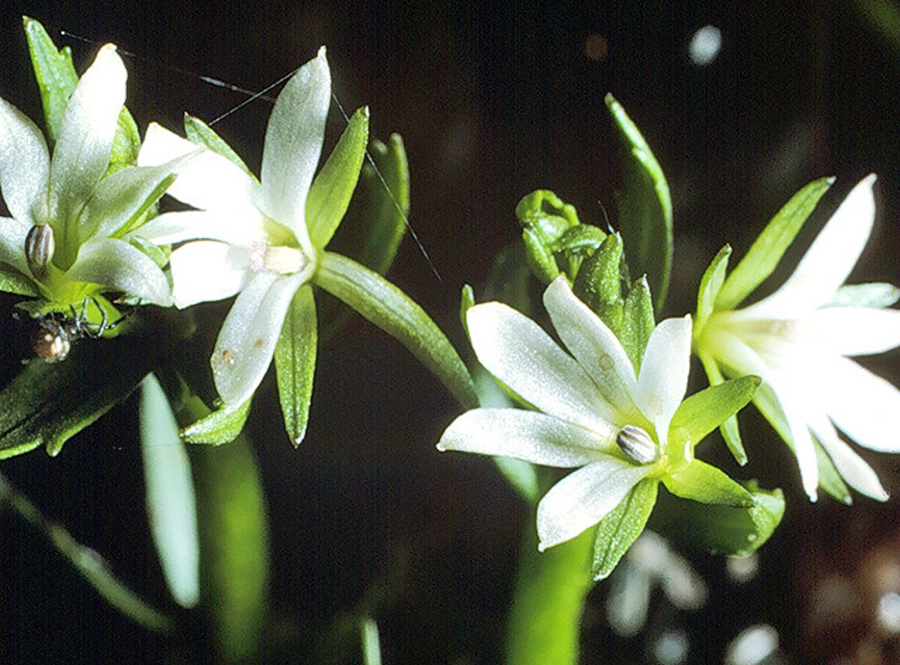
A Rare Wetland Plant Recovers in Montana
Using NatureServe data, water howellia was identified as declining in the state of Montana and across its range and was subsequently listed under the Endangered Species Act. That designation brought together partners, led by botanists with the Montana Natural Heritage Program, to develop management strategies that could support the species while continuing forestry and other land uses. Over time, consistent monitoring showed the species was recovering, ultimately leading to its delisting. Today, the program continues to track water howellia populations to confirm that the species remains stable, demonstrating how strong data and coordinated action can lead to lasting success.

Protecting the Chuckwalla Landscape
The Chuckwalla landscape of Southern California encompasses ecologically rich desert ecosystems, culturally significant lands, and critical habitat for species at high risk of extinction. NatureServe partnered with the National Parks Conservation Association to analyze biodiversity value across the newly designated Chuckwalla National Monument and a proposed neighboring monument. Using species distribution data and climate connectivity analysis, NatureServe demonstrated the region’s importance for species such as the Mojave Desert tortoise and its role as a climate corridor. This science-based evidence strengthens coalitions working to defend existing protections and advance new designations, ensuring long-term conservation outcomes are grounded in credible data.
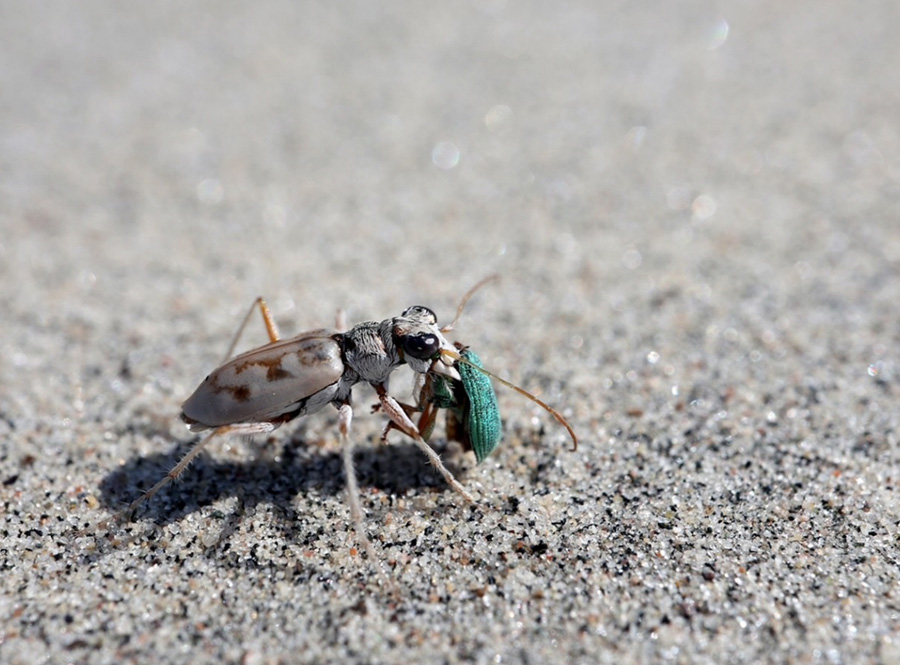
Donor Spotlight: Greg, Wildlife Photographer
As a wildlife photographer and NatureServe donor, Greg uses biodiversity data to deepen his connection to the species he documents across North America. By relying on NatureServe’s conservation status information, he is able to identify rare and vulnerable species and understand their broader ecological context. This connection between personal passion and trusted science has strengthened his commitment to conservation, including symbolic species adoption. Greg’s story illustrates how NatureServe’s data empowers individuals—not just institutions—to participate meaningfully in biodiversity protection.
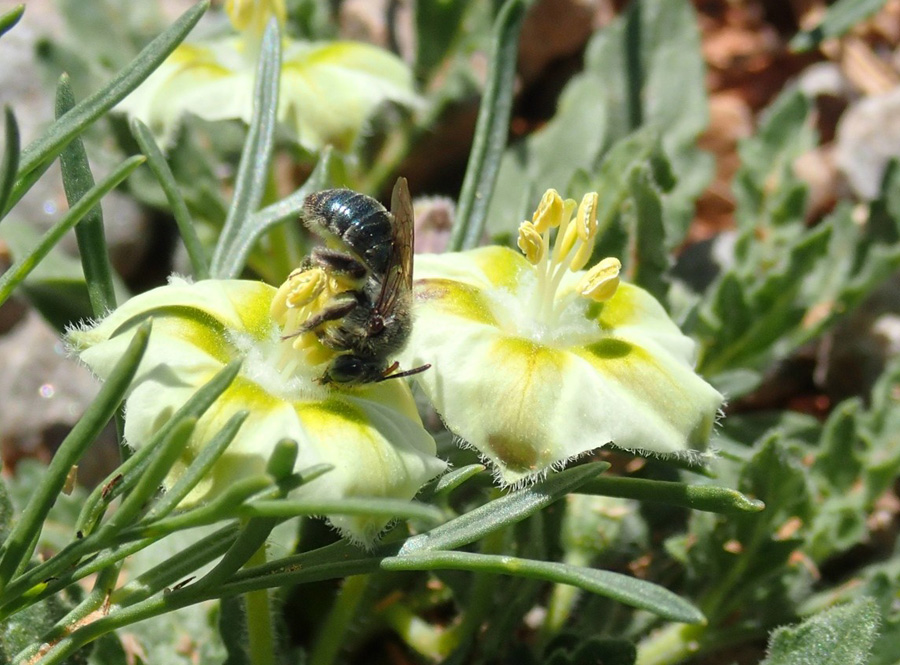
NatureServe Enabled the Discovery of a New Bee Species
Working through the NatureServe Network, researchers documented a previously unknown bee species with deep evolutionary significance—an achievement made possible by large-scale biodiversity inventories and shared data frameworks. NatureServe’s role in supporting standardized surveys and data integration enabled scientists to combine field ecology, taxonomic expertise, and modern genetic analysis into a formal species description. This discovery highlights both how much biodiversity remains undocumented and how easily it could be lost without systematic data collection. By revealing what species exist and why they matter evolutionarily, NatureServe helps ensure conservation decisions protect the full breadth of life’s heritage.
The Impact of the
NatureServe Network
Data guiding conservation decisions across millions of acres.
SFI-CERTIFIED FORESTS Prioritize biodiversity
Apply NatureServe science to stewardship
Led or informed by NatureServe
Identify species of concern