Biodiversity Without Boundaries 2024 Conference

The Biodiversity Without Boundaries conference puts some of the most important scientific breakthroughs on display to an audience that includes scientists from our network of more than 60 programs in North America, plus scores of government agencies, leading academic institutions, and fellow conservation organizations. Learn more and register now!
Seattle, WA

Giving Season is Here

Submitted by allison_kenlan_5542 on

Nature needs you more than ever.

Fall and winter are beautiful seasons of change in nature. Foliage turns, birds fly south, and bears disappear into hibernation. NatureServe knows where plants and animals are supposed to be at every time of the year; and where they’re not.

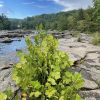
Adopt the Mojave blue

Submitted by allison_kenlan_5542 on
The Mojave blue is a striking butterfly species found in the arid regions of the southwestern United States. Because this species has a very limited range, even localized threats from habitat destruction and degradation due to development, off-road vehicle use, and invasive plants can have an important negative impact on the population.

Adopt the tricolored blackbird

Submitted by allison_kenlan_5542 on
Native to the far western United States and northern Baja California, Mexico, the tricolored blackbird closely resembles its near-relative, the red-winged blackbird, but is distinguished by white edging on the striking patch of red on its wing. This bird is what’s known as a “colonial nester,” forming breeding colonies of sometimes tens of thousands of birds in freshwater marshes primarily in the Central Valley of California.

Adopt the Northern Myotis

Submitted by allison_kenlan_5542 on
This species has a long tail and a broad wingspan, which help it to maneuver while hunting for insects in slow flight. Unfortunately, a rapidly spreading fungal disease known as white-nose syndrome has caused an estimated 90% decline in northern long-eared bat populations. Consequently, the northern myotis is now recognized as Endangered under the U.S. Endangered Species Act and by the Committee on the Status of Endangered Wildlife in Canada.

Adopt the Bog Turtle

Submitted by allison_kenlan_5542 on
The bog turtle is one of North America's smallest and rarest turtle species, growing up to only 4.5 inches in length. It can be distinguished by the bright orange or yellow markings on its head. These turtles are semi-aquatic, spending much of their time in or near shallow, marshy areas in the eastern United States. The species has distinct northern and southern populations, which are separated by a gap of approximately 250 miles. Unfortunately, due to habitat loss and illegal collection for the pet trade, the bog turtle is classified as Imperiled (G2) and is listed as Threatened under the Endangered Species Act.

Adopt the Red Wolf

Submitted by allison_kenlan_5542 on
The red wolf is the world’s most endangered wolf. Native to the southeastern United States, these wolves are distinguished from other species by their striking reddish-brown coat. With a lean and agile build, the red wolf is a masterful hunter, primarily preying on small mammals like rabbits and rodents. Sadly, due to habitat loss, hunting, and interbreeding with coyotes, the red wolf population has been severely depleted. Conservation efforts are ongoing to protect and restore these magnificent creatures in their natural habitat and ensure their survival for generations to come.

Adopt a Species

Submitted by allison_kenlan_5542 on
For a minimum $25 donation, you can be part of a group coming together to protect biodiversity. Your adoption will help the expert staff at NatureServe maintain information on thousands of species provided for free on NatureServe Explorer—plus, adopters will receive fun and unique benefits!